T he concept of self is a multifaceted and deeply personal aspect of human existence, encompassing one’s sense of identity, beliefs, values and experiences. Understanding the self is a fundamental aspect of personal growth, emotional well-being and relationships with others. In this article, we embark on a journey to explore the essence of self, examining its components, development and significance in shaping our lives.
The Components of Self
The self comprises various interconnected components that contribute to our sense of identity and individuality:
Self-Concept
Self-concept refers to the beliefs, perceptions and ideas individuals hold about themselves. It includes aspects such as self-esteem (how positively or negatively we evaluate ourselves), self-image (how we perceive our physical appearance and abilities) and self-efficacy (our beliefs in our capabilities to accomplish tasks).
Self-Awareness
Self-awareness is the ability to recognize and understand one’s thoughts, emotions and behaviors. It involves introspection, reflection and an awareness of how our internal experiences influence our actions and interactions with the world.
Self-Identity
Self-identity encompasses the core aspects of who we perceive ourselves to be, including our values, beliefs, interests and roles. It reflects our sense of continuity and coherence over time, as well as how we define ourselves in relation to others and societal norms.
Self-Expression
Self-expression involves the outward manifestation of our internal self-concept and identity through actions, behaviors, communication and creative outlets. It encompasses how we present ourselves to the world and express our thoughts, feelings and unique personality traits.

The Development of Self
The development of self is a lifelong process shaped by various factors, including:
Early Experiences
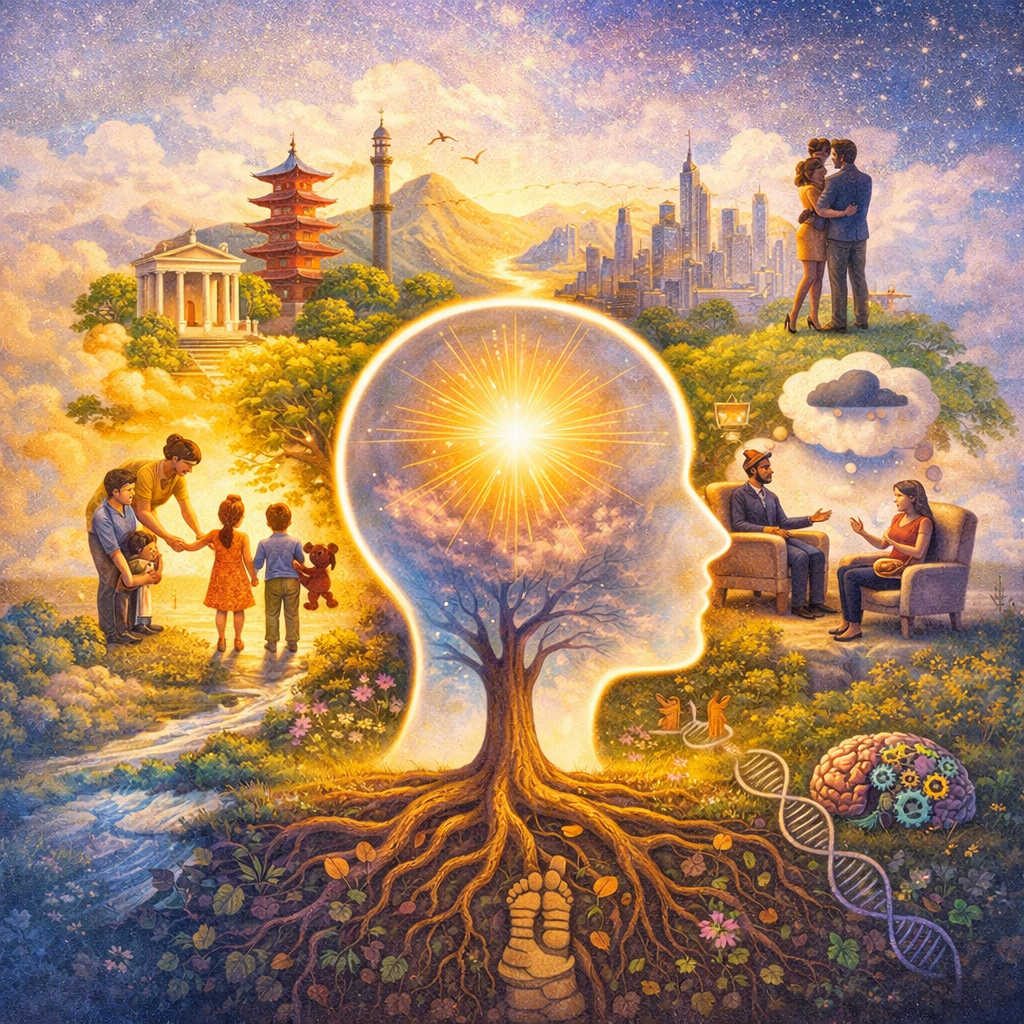
Early childhood experiences, interactions with caregivers, and socialization play a crucial role in shaping the development of self-concept and exploring the essence of self-identity. Positive reinforcement, encouragement and validation contribute to a healthy sense of self, while negative experiences or trauma can lead to insecurity or self-doubt.
Socialization and Culture
Socialization within family, peer groups, communities, and cultural contexts influences how individuals perceive themselves and others. Cultural norms, values and societal expectations shape self-identity and guide behavior, attitudes and beliefs.
Personal Experiences
Personal experiences, achievements, failures and relationships contribute to the ongoing development and evolution of self-concept and identity. Life events, transitions and challenges provide opportunities for self-reflection, growth and adaptation.
Psychological Factors
Psychological factors such as personality traits, cognitive processes and emotional regulation abilities influence how individuals perceive themselves, interpret experiences and navigate the world. Traits such as resilience, openness to experience, and self-compassion impact self-development and well-being.
The Significance of Self
Understanding the self is essential for various aspects of personal and interpersonal functioning:
Self-Understanding
Self-awareness and self-reflection facilitate a greater understanding of one’s needs, values, strengths and areas for growth. This awareness enables individuals to make informed decisions, set meaningful goals and live authentically.
Emotional Well-Being
A healthy sense of self-esteem, self-acceptance and self-compassion is vital for emotional well-being and mental health. Individuals with a positive self-concept are more resilient in the face of challenges, have stronger coping skills and experience greater life satisfaction.
Interpersonal Relationships
Understanding oneself lays the foundation for healthy and fulfilling relationships with others. Effective communication, empathy and authenticity in relationships are rooted in a clear sense of self and an understanding of one’s needs, boundaries and values.
Personal Growth
Self-awareness and self-reflection are catalysts for personal growth, learning and development. Embracing opportunities for self-discovery, exploration, and self-improvement fosters resilience, adaptability and a sense of purpose in life.

The journey of understanding the self is a profound and ongoing exploration of identity, values and meaning. By cultivating self-awareness, self-acceptance and authenticity, individuals can navigate life’s challenges with clarity, resilience and purpose. Embracing the complexity and uniqueness of the self fosters greater compassion, empathy and connection with others, enriching our relationships and our experience of the world. As we continue to unravel the layers of our identity and self-concept, we embark on a transformative journey toward greater self-understanding, fulfillment and well-being.